
What Does Colombian Coffee Really Taste Like? A Guide to Huila, Fruity Notes and How to Choose One
By Roast Lab · Lahore · Updated 16 July 2026 · 5 min read
Atif introduces this month’s coffee
Video transcript: Atif on this month’s coffee
What Does Colombian Coffee Taste Like?
Colombian coffee tastes balanced, sweet and clean: a chocolate and caramel backbone, a nutty warmth, a medium body and a soft, fruity acidity that lifts like orange zest and keeps it lively without turning sharp. It finishes sweet. That balance is exactly why it is one of the easiest coffees in the world to love and the safest bet for anyone new to specialty coffee.
But “Colombian coffee” is not a single taste. It shifts with the region, the farm and how the coffee was processed. Once you understand that, you stop drinking coffee by accident and start choosing it on purpose. High quality beans are sold with a story, not just a label.
There is a reason for the consistency. Colombia grows coffee at altitude, mostly washes it (a clean processing method) and harvests carefully, so the cup comes out clear and sweet rather than wild. It works beautifully as an espresso and just as well through a filter or a French press.

Discipline in the process, delight in the result.
What Makes Huila Coffee Special?
Huila stands out because of where and how it grows. It sits in the mountainous south of Colombia, high up, on volcanic soil, so those conditions push the cup toward more complexity: sweeter, fruitier and more layered than a standard Colombian. It is one of the most awarded coffee regions in the country, so when you see Huila on a bag, expect a step up.
THIS MONTH’S COFFEE
Flor del Desierto, from Acevedo in Huila. It is sourced through an exporter who works with the farmers locally to not just buy the coffee but to develop it with them. The tasting notes are dark chocolate, green apple and hibiscus. That combination, a chocolate base with a crisp fruit lift and a floral edge, is Huila showing off.
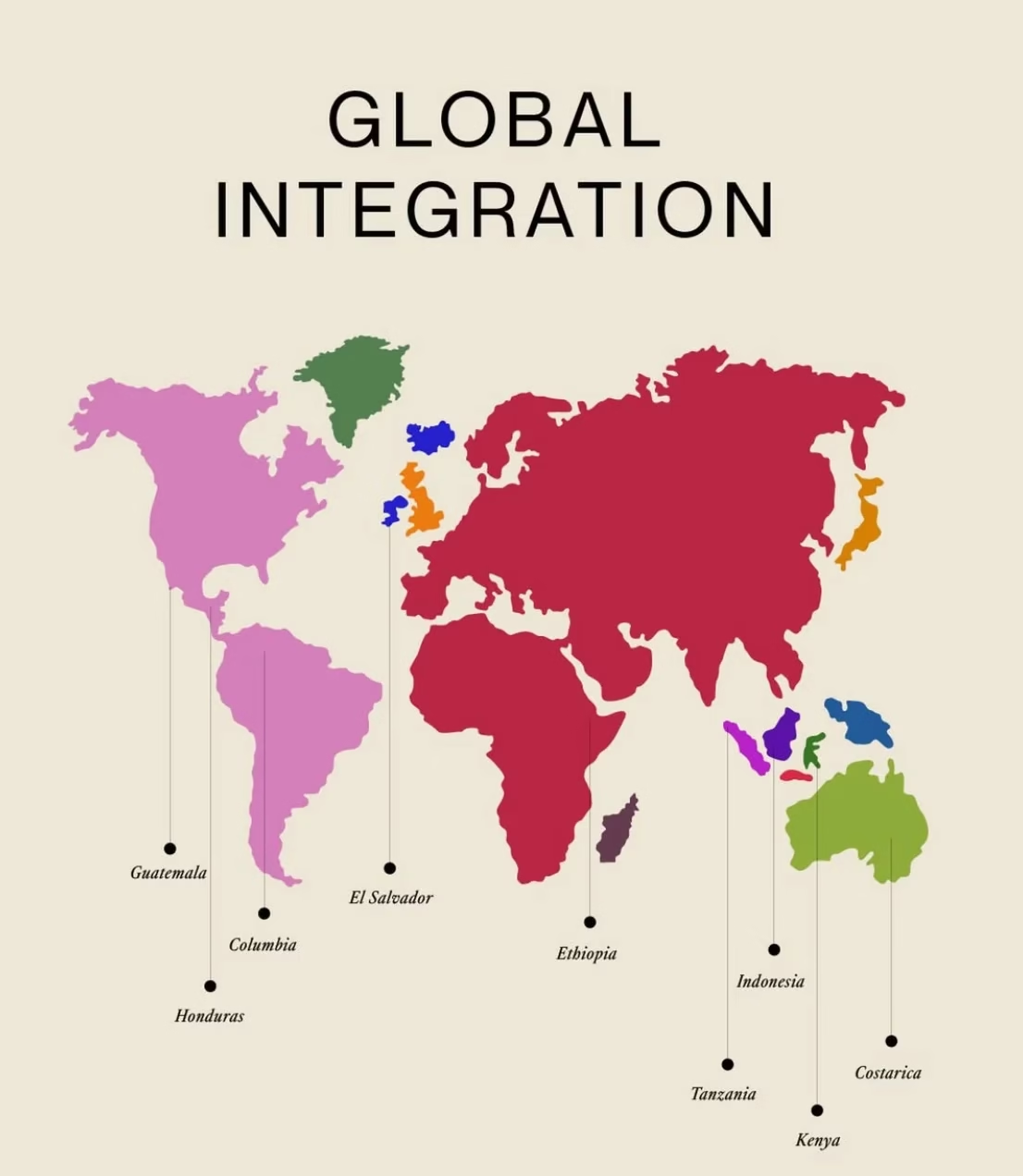
Where our coffee comes from: origins across Latin America, Africa and Asia.
What Do Fruity Notes Like Green Apple and Hibiscus Mean?
Fruity notes describe what the bean naturally tastes like, not flavours added to it. The coffee is black coffee with nothing in it. Roasters use those words to map a cup the same way you would describe a wine or a ripe mango.
“Green apple” is the coffee’s acidity showing up as a crisp, bright tartness. Acidity is a good thing here. It is what makes a cup feel alive instead of flat and, brewed right, it reads as juicy rather than sour. “Hibiscus” is a floral, slightly tangy note, the kind of lift you get on the finish. If you have ever seen our flavour wheel on the wall at the roastery, this is exactly what it maps: one side chocolate and nutty, the other side fruity and floral.
Our co-fermented range, cultured with fruits like mango, watermelon and Colombian lychee.
You do not need to taste every note on the bag to enjoy the coffee. The notes are a map, not a test. Nobody is marking your homework.
Is Fruity, Acidic Coffee for Me?
Maybe, but there is no wrong answer. Coffee is subjective, like colours. If you love a comforting, chocolatey, low-acid cup, lean toward a darker roast or a classic Colombian and you will be happy. If you are curious about brightness and fruit, a Huila like this month’s is a lovely place to start, because the chocolate base keeps it friendly while the apple and floral notes give you something to notice. Neither choice is more “correct.” One is just more your taste than the other.
How to Choose a Colombian Coffee
To choose a Colombian coffee you will actually enjoy, check four things on the bag before you buy. Together they tell you almost everything about how the cup will taste:
- Roast level. A lighter roast keeps more of the fruit and acidity. A darker roast leans into chocolate and a bittersweet, fuller feel. Pick the direction you like.
- The tasting notes. Chocolate, caramel and nutty means comforting and classic. Apple, citrus and floral means bright and lively. The bag is telling you what to expect, so read it.
- The process. Washed coffees taste clean and crisp. Natural coffees taste heavier and jammier with more fruit. Huila is often washed, which is why it stays elegant.
- Freshness. Buy whole beans, fresh-roasted, in a size you will finish in a few weeks, then grind right before you brew. Freshness does more for your cup than almost anything else.
After that it is down to the brew. If a good Colombian ever tastes sour or thin in your cup, that is usually a brewing fix rather than a bad bag and it is easy to sort out.
Where Can I Buy Colombian Coffee in Pakistan?
You can buy Colombian coffee in Pakistan from specialty roasters that import green coffee and roast it fresh, then sell it with a roast date and a named origin. That is the whole point of specialty coffee: you know where it came from and who grew it.
We source our Colombian coffee direct from origin, including this month’s Flor del Desierto from Huila, roast it fresh in Lahore and ship it across Pakistan. Come by the roastery for a cup, or order online and try it at home!
Frequently Asked Questions
What does Colombian coffee taste like?
Balanced, sweet and clean, with a medium body and gentle acidity. The classic notes are caramel, brown sugar, chocolate and nuts, with a fruity lift of orange zest. Fruity regions like Huila add brighter notes such as green apple and floral hibiscus.
What makes Huila coffee special?
Huila is a high-altitude region in southern Colombia with volcanic soil. Those conditions push the cup toward more complexity, so Huila coffees are sweeter, fruitier and more layered. It is one of the country’s most awarded regions.
Is Colombian coffee strong?
Not especially. Colombian coffee is known for being balanced and smooth rather than heavy. Strength comes from how you roast and brew it, not from the origin itself.
Why does my Colombian coffee taste fruity or sour?
Fruity notes are natural to the bean, nothing is added. A bright, clean fruitiness is a good sign. If it tastes sharp and sour instead, the coffee is usually under-extracted, so grind finer and use hotter water.
Where can I buy Colombian coffee in Pakistan?
From specialty roasters that import green coffee and roast it fresh. Roast Lab in Lahore sources Colombian coffee direct from origin, roasts to order and ships nationwide.


Leave A Comment