
Single Origin vs Blend Coffee: How to Choose and What to Brew It In
Single origin coffee comes from one place: a single farm, estate, washing station, or a cluster of growers in the same region. A blend is a recipe: the roaster combines two or more coffees to hit a specific flavour profile, then adjusts the mix harvest to harvest to keep that flavour consistent.
The real difference is who’s in control of the taste. With a single origin, the place sets it, the roaster’s job is just to find the lot that represents it best. With a blend, the roaster sets it, then keeps tweaking the recipe so your bag tastes the same in December as it did in June.
Neither is “better.” Single origin gives you the fingerprint of one place and one harvest, which is exactly why an Ethiopian and a Brazilian taste like different drinks entirely. A blend trades that specificity for balance: more consistency and a cup that still holds its own essence once milk is added to it.
So the real question isn’t which one wins. It’s how you actually make coffee at home because a V60, a moka pot, and an espresso machine each pull something different out of the same bag of beans.
Single Origin vs Blend, Side by Side
| Single origin | Blend | |
| Comes from | One farm, estate, washing station or region | Two or more coffees, often different countries |
| You get | The fingerprint of one place, one harvest | A flavour profile the roaster holds steady |
| Tastes like | Distinct. Often fruity, floral, more acidity | Balanced. Often chocolate, nuts, caramel |
| Season to season | Moves with the harvest | Rebuilt to taste the same |
| With milk | Can get buried | Built to push through |
| Suits | Pour over, filter, AeroPress | Espresso, moka pot, French press, cold brew |
| Supply | Limited. When the lot’s finished, it’s gone | Restocked and repeatable |
Myth or Fact
“Single origin is higher quality than a blend.” Myth. Both start life as the same specialty green coffee. Blending is a recipe decision, not a downgrade.
“Blends are the safer choice for milk drinks.” Fact. Milk flattens delicate fruit notes, while chocolate and caramel survive it. That’s what most blends are built around.
“Single origin means one farm.” Myth. It means one traceable source, which might be one estate or smallholders on the same hillside. Honduras Several Farms Catuai is named for precisely that.
“You can’t pull espresso with a single origin.” Myth. You can. There’s just less room for error, because one origin and one process are carrying the entire shot. Grind slightly off and you’ll taste it. A blend covers for you.
“A single origin you love might not come back.” Fact. Roast Lab buys a lot, roasts through it, then waits on the next harvest. If a bag becomes your favourite, restock it while it’s still there.
“Blends are where roasters hide bad beans.” Myth, with one caveat. It’s true of supermarket blends that tell you nothing about what’s inside. The test is simple: does the bag name its origins and its process?
“Single origin always costs more.” Myth. Price tracks the lot, not the label. The blend Black Gold opens at Rs 1,328, the single origin Brazil Cerrado at Rs 1,761. A Panama Geisha runs Rs 9,000 for 100g.
Best Brew Methods for Single Origin and Blends
The shortcut: match the bag to the gear already on your counter.
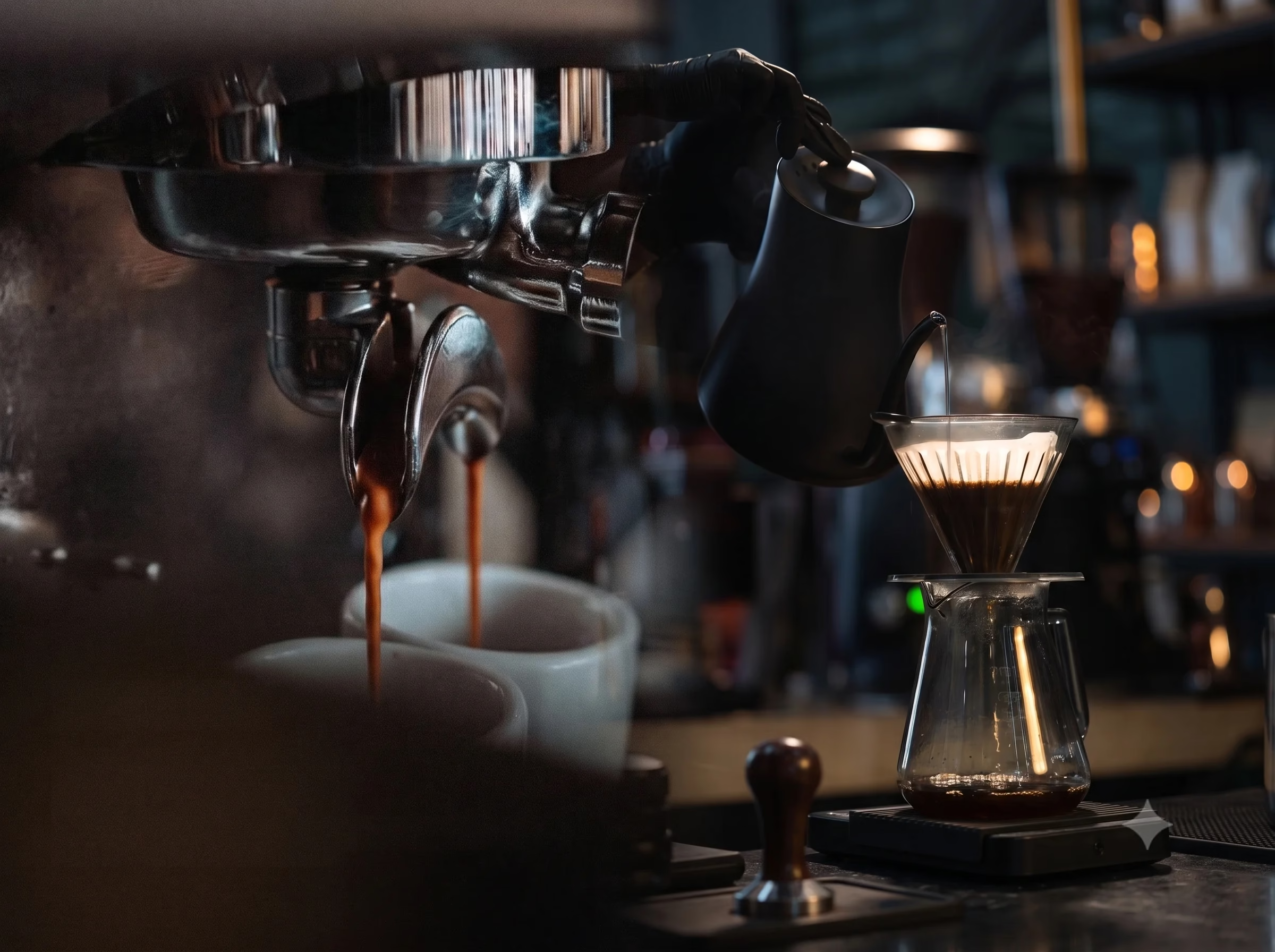
Espresso, Plus Anything With Milk in It. Go with a blend. A shot is small and concentrated, so every grind error gets amplified instead of diluted. A blend holds steadier pull to pull. Milk needs chocolate heavy enough to push through.
Moka Pot. Blend or a medium to dark single origin. Light roasts turn sour under moka pot pressure, so this is the one method where a bright, fruity bag is the wrong buy.
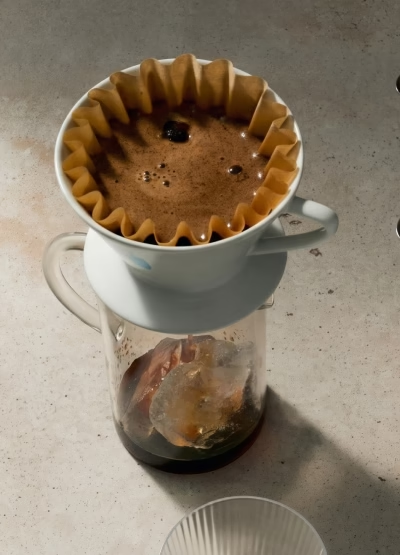
V60 and Pour Over. Single origin, every time. Filter brewing is the only method that gives one harvest room to say what it is, so the fruit and florals you paid extra for show up. Brew it in a Hario V60.
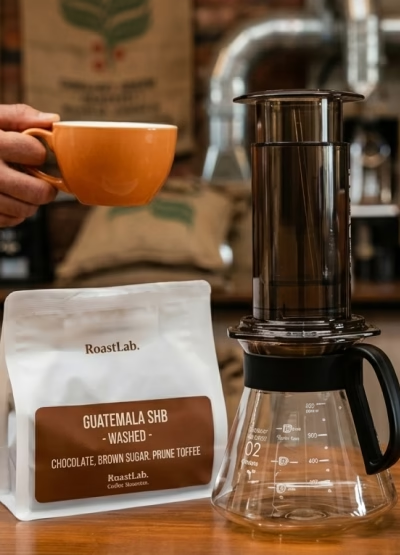
AeroPress. Either, though single origin is the more interesting call. An AeroPress is forgiving enough to experiment with a fruity lot.
French Press. Either. Full immersion rewards body over clarity, so start with a low acidity single origin.
Cold Brew. Blend. Twelve hours of steeping flattens the delicate notes you paid for, so buy body instead. A Toddy brewer or a cold brew maker handles the rest.
None of This Matters if Your Grinder Is Wrong
A blade grinder will wreck a great coffee faster than a bad bag ever could, chewing beans into uneven dust and chunks instead of a consistent grind. If you don’t already own a burr grinder, that’s where to start, not the beans.
You don’t need to spend big. A manual burr grinder like the Timemore C3S will get you there.
Get the grinder sorted first. Everything else on this list works better once you have.
The House Blends and Who Each One Is For
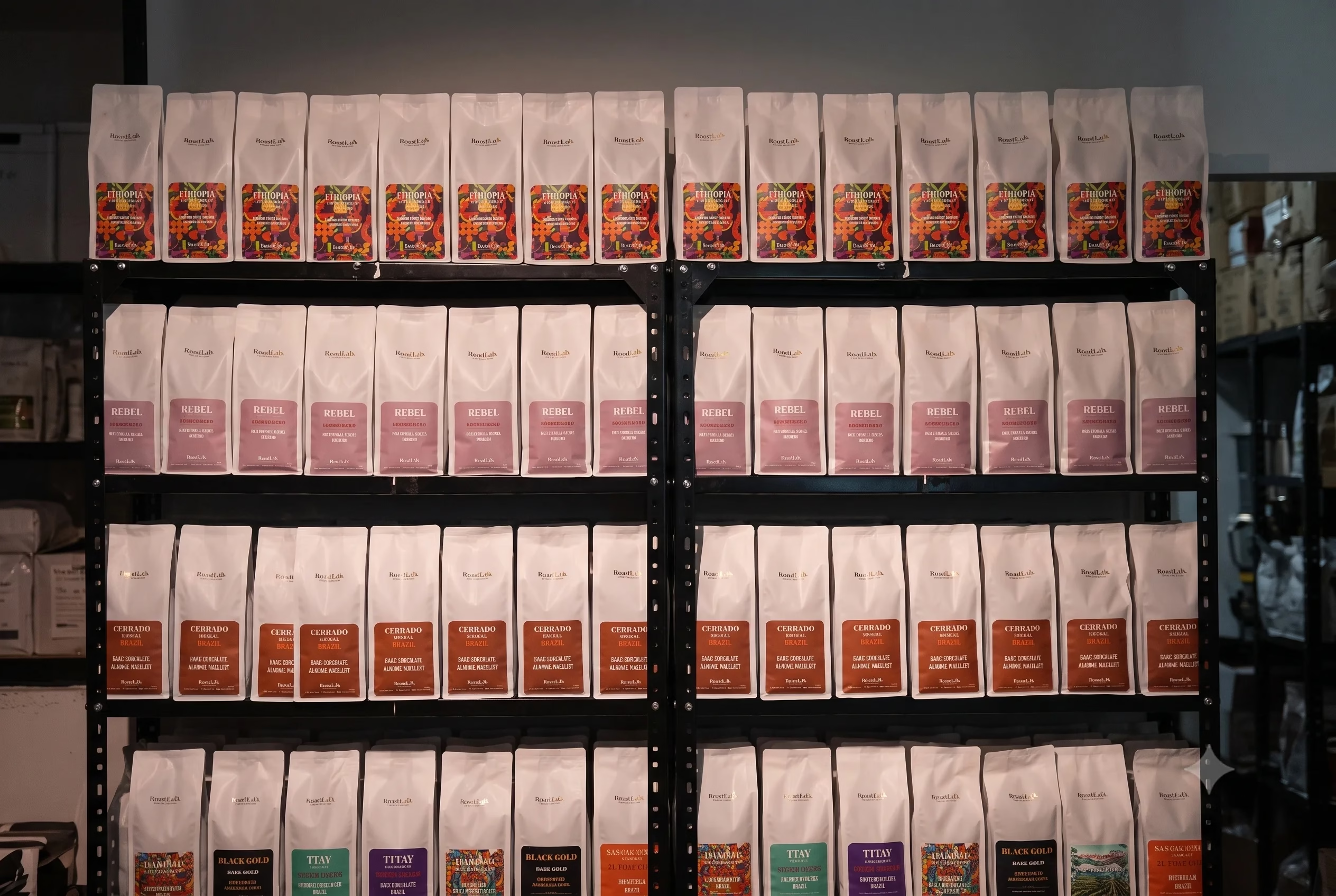
Titan House Blend is what you buy when you don’t want to think about it. Milk chocolate, caramel, a flick of cranberry. Works black, works with milk, nobody’s ever handed it back.
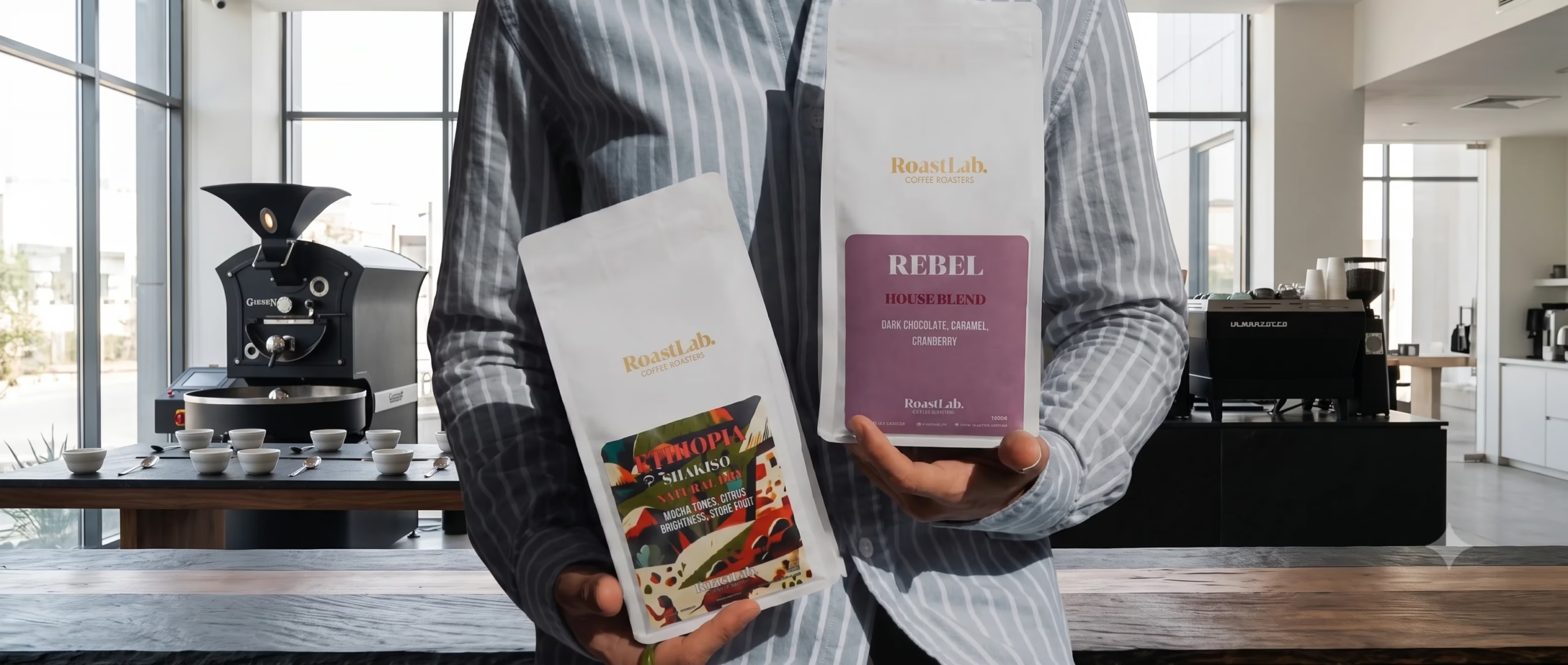
Rebel House Blend is for people who order their coffee strong and mean it. Dark chocolate and pine nuts, heavier than it looks.
Journey House Blend exists to end the argument that blends are boring. Macadamia, passion fruit, blackberry.
Black Gold is a dark roast without the burnt edge that usually comes with it. Dark chocolate, cocoa, a hint of fig. Best in espresso and cold brew.
Agarwood Blend is the one for after dinner. Tobacco, vanilla, dark chocolate, full bodied, long finish.
The Single Origins and What Each One Tastes Like
Two have their own deep dives: Colombian coffee and co-fermented coffee.
- Brazil Cerrado: dark chocolate, almond, hazelnut. The best seller.
- Colombia Supremo Washed: orange, molasses, milk chocolate. Medium or dark.
- Ethiopia Shakiso: mocha, citrus, stone fruit. The one that’ll change your mind about filter coffee.
- Indonesia Kamala: mango, pomelo, caramel.
- El Salvador Santa Leticia: dried plum and raisin, low acidity.
- Colombia Decaf: almond, floral peach, tamarind. Swiss Water processed.
- Spectrum and Anthem Panama Geisha: the rare ones, in 100g lots.
Frequently Asked Questions
Is single origin better than a blend coffee?
Neither is better, they serve different goals. Single origin shows the character of one place and one harvest. A blend holds one flavour steady year-round. Choose based on how you actually brew at home.
Is single origin good for espresso?
Yes, but it leaves less room for error than a blend, so expect to dial in your grind more often as the roast changes. A washed Brazil Cerrado is a solid, forgiving starting point.
What is a house blend?
A house blend is a recipe the roaster designs and repeats, mixing lots to hit one consistent flavour despite each harvest changing. Roast Lab’s house blends include Titan, Rebel, Journey, Black Gold, and Agarwood.
Is single origin good for cold brew?
Usually not worth the premium. A 12-hour steep flattens the delicate, high notes that make single origin distinctive. A dark, full-bodied blend holds up better and delivers more weight in the cup.
Which should a beginner in Pakistan buy first?
Start with a blend if your coffee usually goes into milk, it’s built for balance and body. Choose a single origin if you brew filter or pour over and want to taste one place clearly.


Leave A Comment