
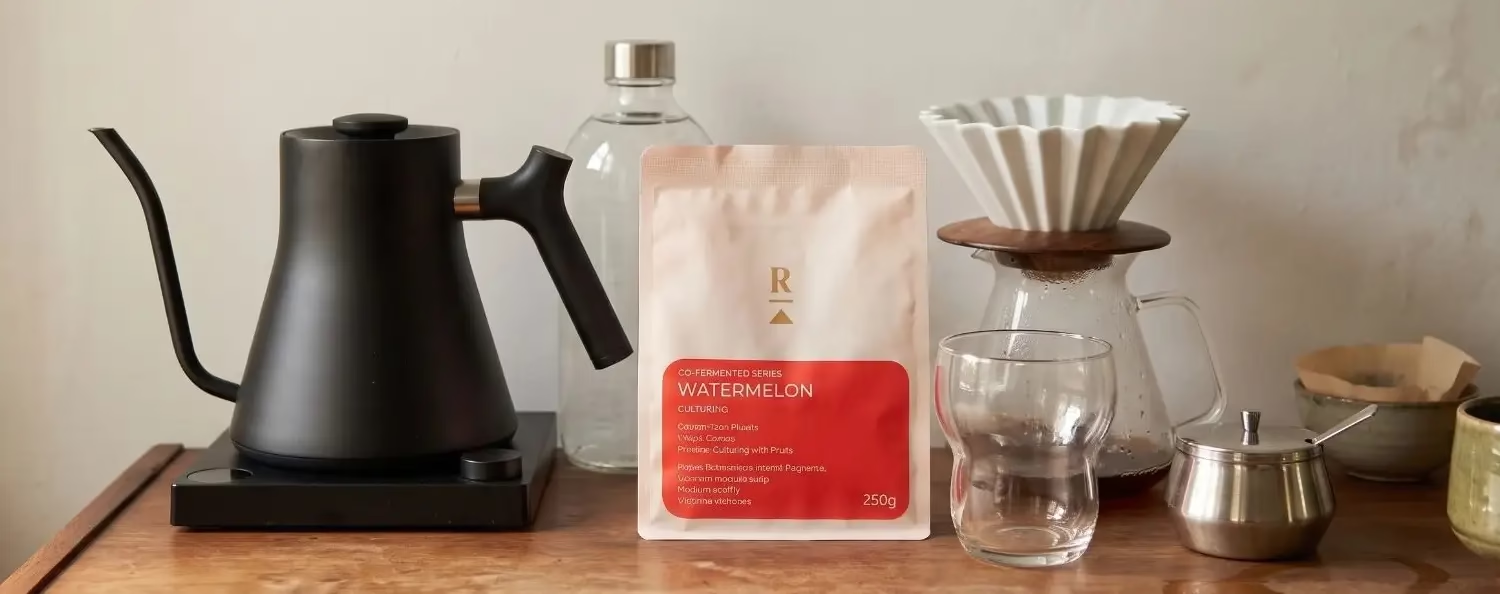
How to Brew V60 Pour-Over Coffee: A Step-by-Step Guide
A V60 rewards precision more than most brewing methods. Small changes in grind size, pour speed, or water temperature show up directly in the cup, which is exactly why following a recipe makes such a difference.
This is the method we use: 18g of coffee, 270g of water, and a controlled series of pours. Follow it as your starting point, then adjust from there based on how the coffee tastes.
What You’ll Need
- A Hario V60 dripper for brewing
- A burr grinder set to medium-fine
- A gooseneck kettle for a slow, controlled pour
- A brewing scale to measure your coffee and water accurately
- A paper filter sized for your V60
- A server or carafe to brew into
- Freshly roasted coffee beans, ideally a light to medium roast
The V60 Recipe
| Variable | Amount |
| Coffee dose | 18g |
| Brew ratio | 1:15 |
| Total water | 270g |
| Grind size | Medium-fine |
| Water temperature | 88°C |
| Total brew time | Around 2:45 |
V60 Vocabulary: Dose and Ratio
Dose: The amount of coffee you use. For this recipe, that is 18g.
Ratio: The amount of water used in relation to the coffee dose. A 1:15 ratio means using 15g of water for every 1g of coffee.
Example:
18g coffee × 15g water = 270g total water
The ratio gives you a consistent starting point from one brew to the next. From there, you can fine-tune the grind, temperature, or pouring technique based on what you taste.
How to Brew V60 Coffee Step by Step
Step 1: Grind Your Coffee
Grind 18g of coffee to a medium-fine consistency, somewhere between an espresso grind and what you would use for a French press.
Think fine table salt rather than powder. You can adjust the grind later if the brew runs too quickly or too slowly.
Step 2: Rinse the Filter
Place your paper filter inside the V60 and rinse it thoroughly with hot water.
This gets rid of any papery taste while warming the dripper and server at the same time. Empty the rinse water before adding your coffee.
Step 3: Add the Coffee and Heat Your Water
Heat your brewing water to 88°C.
Add the ground coffee to the rinsed filter and gently shake the V60 to level the coffee bed. Place everything on your scale and tare it back to zero.
Start the timer as soon as you begin pouring.
Step 4: Bloom to 35g
Time: 0:00–0:35
Scale target: 35g
Pour slowly until the scale reaches 35g, making sure all the grounds are wet. Leave the coffee to bloom until the timer reaches 35 seconds.
You may notice the coffee bed swell or bubble. Freshly roasted coffee releases trapped carbon dioxide when it first comes into contact with water, and the bloom gives that gas time to escape before the main extraction begins.
Step 5: First Pour to 113g
Start: 0:35
Scale target: 113g
Once the bloom finishes, begin pouring again in a slow, controlled circular motion.
Continue until the scale reads 113g total. Try to wet the coffee bed evenly rather than concentrating the water in one spot.
Step 6: Second Pour to 191g
Scale target: 191g
Repeat the same steady circular pour until the scale reaches 191g total.
Keep your pouring speed and movement consistent with the first pour.
Step 7: Final Pour to 270g
Scale target: 270g
Make your final pour until the scale reaches 270g.
This method of adding the water in stages is known as pulse pouring. It gives you more control over how much water sits above the coffee bed throughout the brew.
Step 8: Let It Drain
Once you reach 270g, stop pouring and let the remaining water drain naturally through the coffee.
Aim for the brew to finish at around 2 minutes 45 seconds.
If your brew finishes noticeably earlier or later, make a small grind adjustment on the next cup rather than changing several parts of the recipe at once.
Want to see what each pour should look like? Watch our V60 recipe reel on Instagram and follow along with the timing and scale targets as you brew.
Why Each V60 Variable Matters
The recipe gives you the numbers, but understanding what those numbers control makes it much easier to improve the cup.
Grind Size
Grind size affects how easily water moves through the coffee and how quickly flavor is extracted.
A medium-fine grind is a reliable starting point for V60. If the grounds are too coarse, water can move through too quickly and leave the cup tasting thin or sour. If they are too fine, the brew may drain slowly and taste heavier or more bitter than intended.
Water Temperature
Temperature affects how readily water extracts compounds from the coffee.
For this recipe, start at 88°C. It gives you a controlled baseline that works well with many light to medium roasts.
Different beans can respond differently, so do not treat 88°C as a temperature you can never change. Once your grind and pouring technique are consistent, adjusting the water temperature slightly can help you fine-tune the cup.
Pulse Pouring
Pulse pouring means adding the water in controlled stages rather than filling the V60 all at once.
It helps you manage the water level above the coffee bed and maintain a more consistent brewing process from one cup to the next.
What to Adjust If Your V60 Does Not Taste Right
Your recipe should be a starting point, not something you follow blindly even when the cup tells you otherwise.
If the coffee tastes sour, sharp, or thin, it may be under-extracted. Try grinding slightly finer, raising the water temperature a little, or allowing more contact time.
If it tastes bitter, harsh, or overly heavy, try moving slightly coarser or shortening the total brew time.
Make one adjustment at a time. If you change the grind, temperature, and ratio together, it becomes difficult to tell which change actually improved the coffee.
Brew It, Taste It, Then Make It Yours
Once you have the basic recipe down, the interesting part is seeing how different coffees respond to it. Keep the 18g coffee to 270g water recipe as your baseline, pay attention to what you taste, and make small adjustments from there.
If you are building your pour-over setup, browse our V60 brewers, scales, filters, grinders, kettles, and filter coffees at Roast Lab.
If you are in Lahore and would rather work through it with someone, visit our roastery on Bedian Road. Bring your questions, your grinder settings, or even the coffee you are struggling with, and we can help you work through the recipe and dial in your brew.
Frequently Asked Questions
What grind size should I use for a V60?
Start with a medium-fine grind, finer than French press but coarser than espresso. Adjust slightly finer or coarser based on your drawdown time and how the coffee tastes.
Why do you bloom coffee before the main pour?
Blooming gives trapped carbon dioxide time to escape after the coffee is first wetted. This helps prepare the coffee bed for the pours that follow.
What is the ideal water temperature for V60?
For this recipe, start at 88°C. You can adjust the temperature slightly depending on the roast and how the coffee tastes.
How long should a V60 brew take?
For this recipe, aim for around 2 minutes 45 seconds, including the bloom. If the brew runs noticeably faster or slower, start by adjusting the grind size.
Can I use dark roast coffee in a V60?
Yes. V60 can be used with dark roast coffee, although you may want to adjust variables such as water temperature and grind size to suit the roast. Light and medium roasts are especially popular with V60 because the brewing method can highlight their more delicate flavors.


Leave A Comment